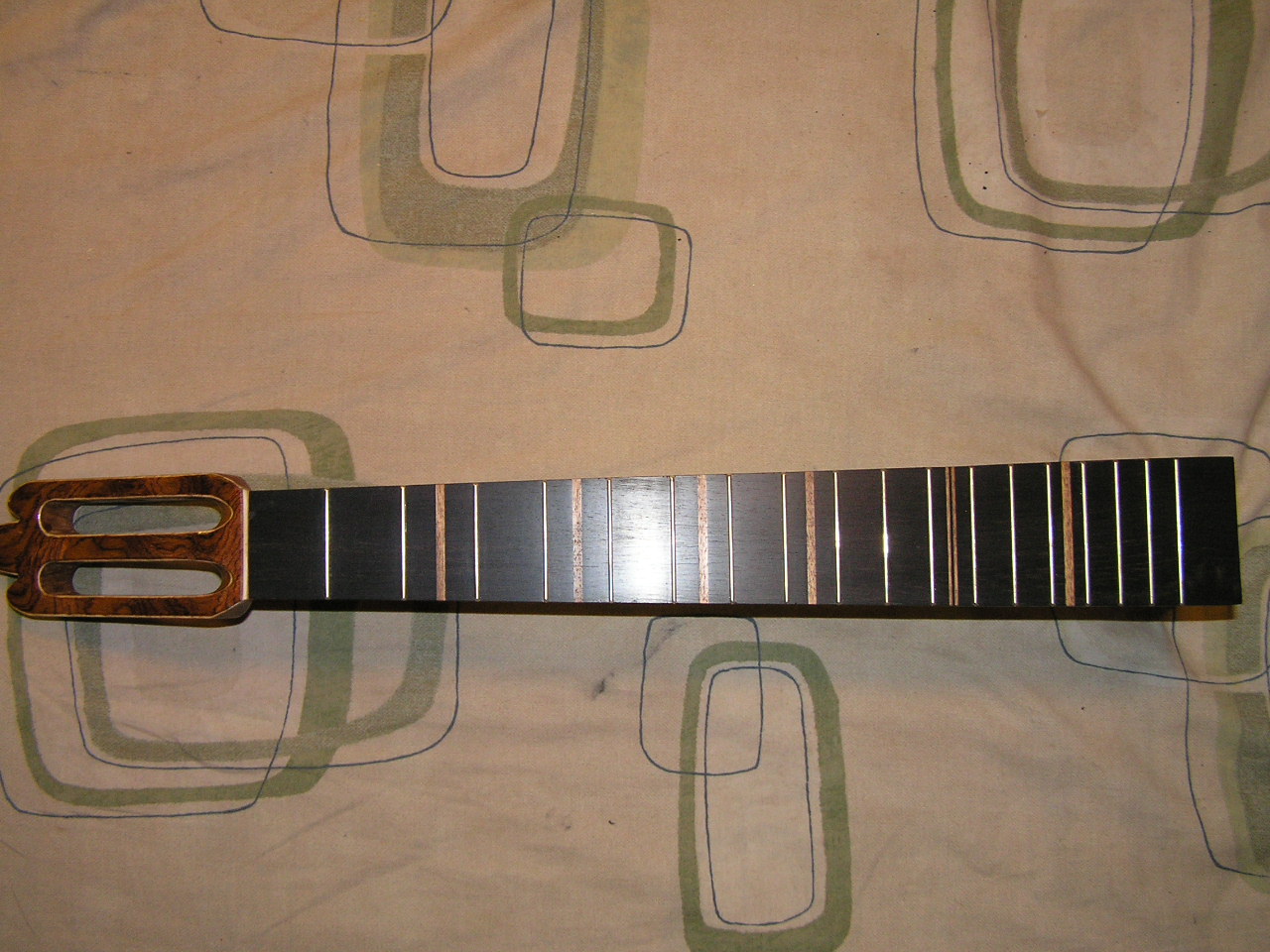
I had a problem with ebony dust getting into the grain of mahogany. I have a solution here that is about 95% effective at removing the black dust. I am saying 95% effective because I have noticed that some of the dust is compacted in the mahogany grain grooves and if it is very well compacted in then this method does not get all of it out. You can remove the compacted dust with a needle under a good quality optics magnifying lamp. Here is what I did.
I bought some cheap rip-off ‘blu-tack’, it is called ‘Power Tack’ and is imported, probably from China by a company in the UK.
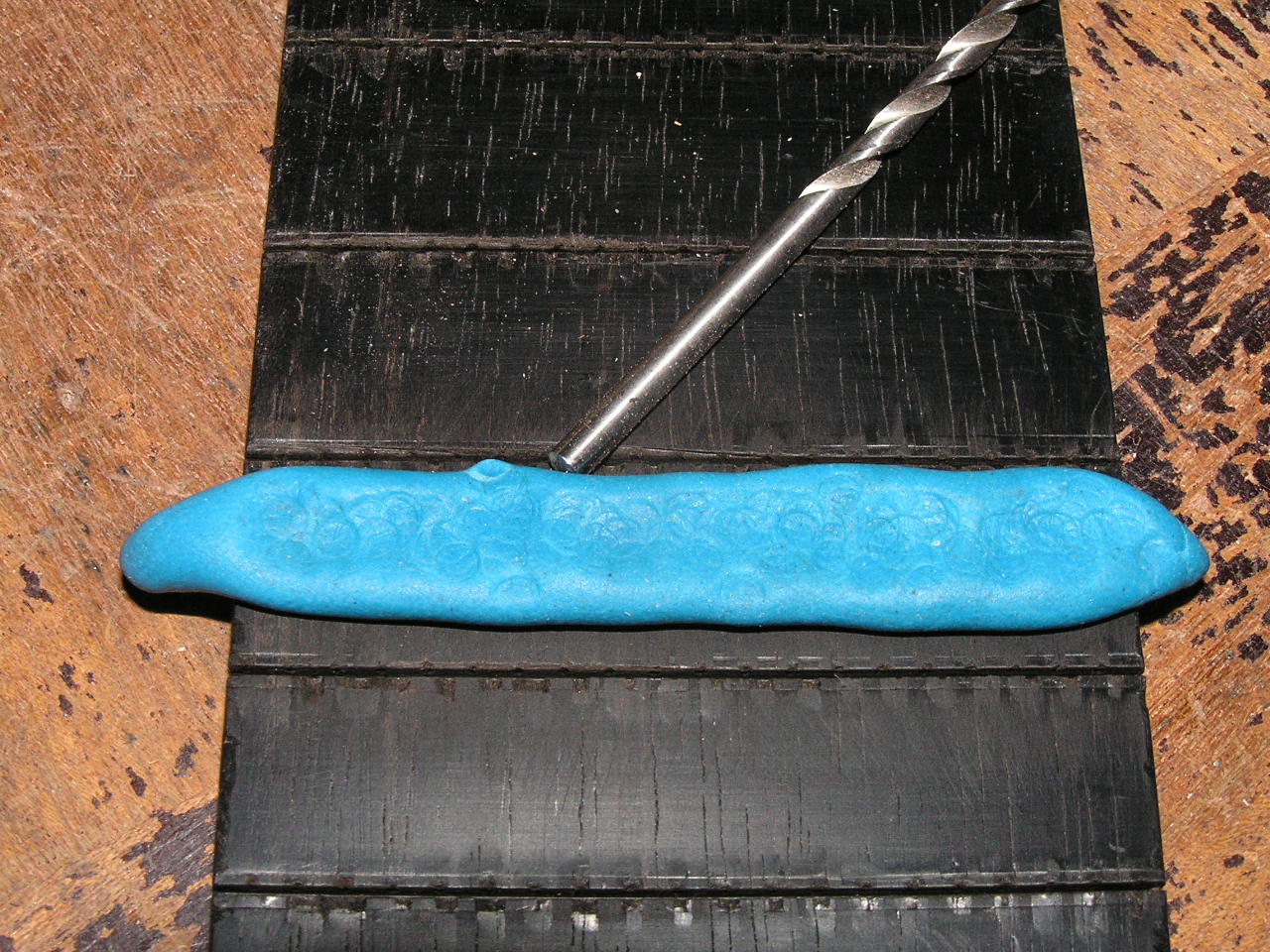
Unlike blu-tack this stuff is really quite hard at room temperature, it is this quality of the stuff that I thought would be useful. If you warm the stuff up a bit on a radiator it gets pretty sticky. Best to place it on a bit of baking foil first as it can be difficult to get it off the radiator, as I found out. While it is sticky you can apply it to the affected wood, tap it onto the wood with a 3mm drill bit end, that is because we need the extra lbs per square inch that the drill bit has over our chunky fingers. This will press it well into any surface grooves where the black dust is.
Leave the stuff too cool down, takes about 30 seconds to one minute.
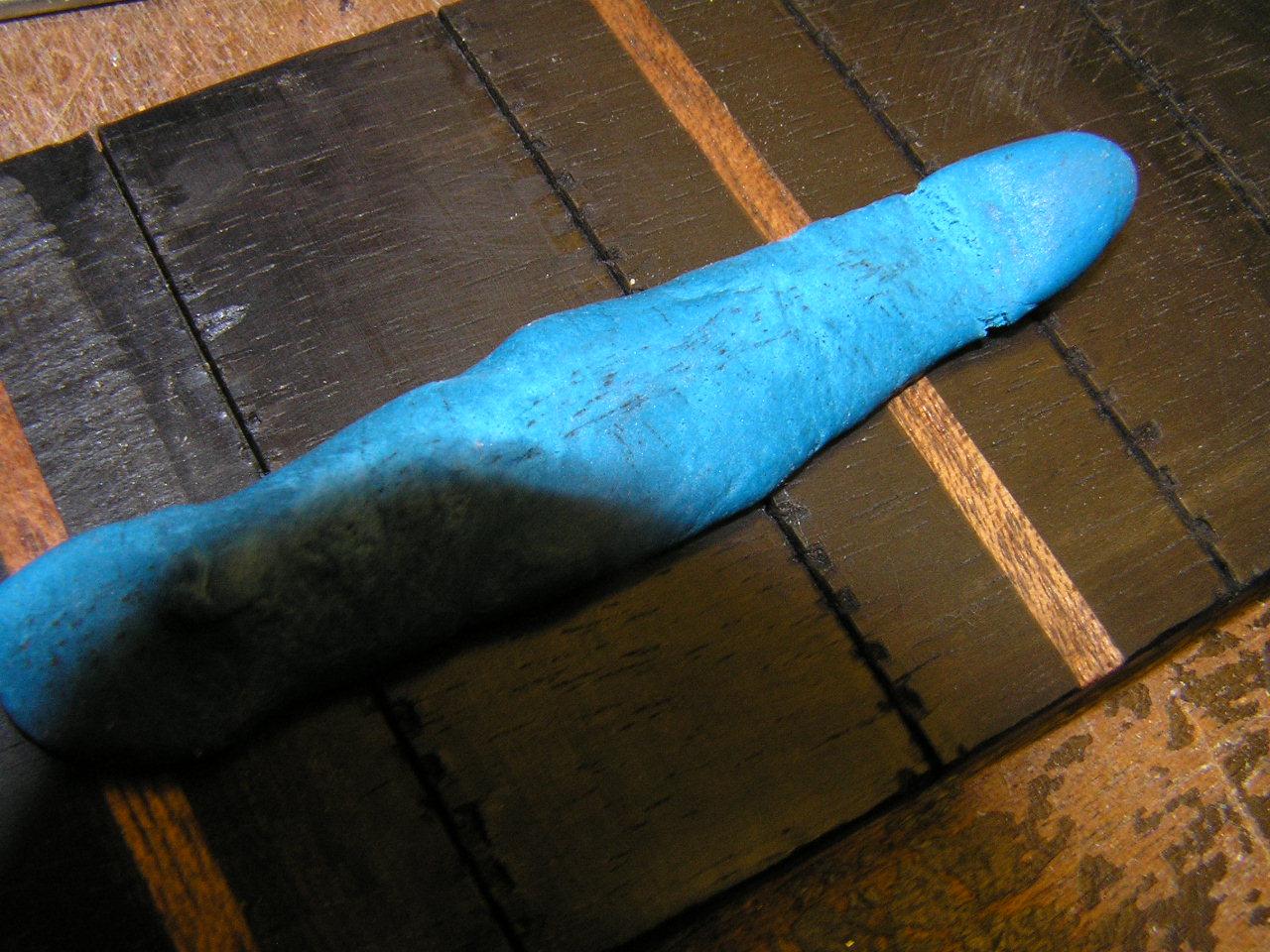
Peel it off carefully and you will see the top layer of all the dark wood dust stuck to it. Just keep applying it on the same area and it will grab the dust that was below the first layer of dust.
You can use this stuff over and over as it will not let go of the dust once it has captured it.
Here are some pictures.
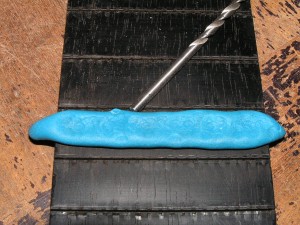 Here you can see the tack tapped onto a piece of mahogany that is sandwiched between ebony. This is actually the old fretboard from the classical guitar I made. I have tapped it down on just the mahogany, not the ebony.
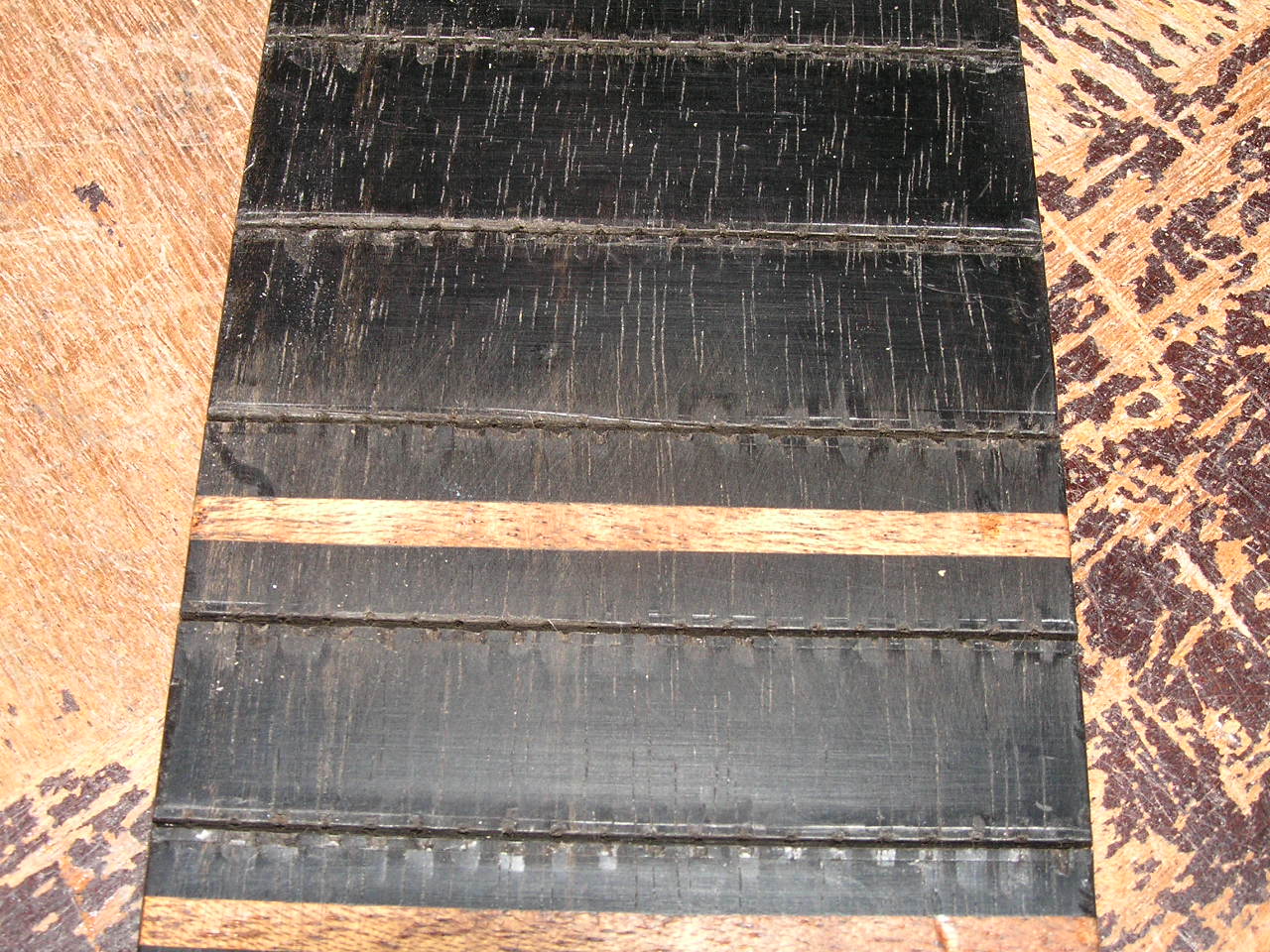
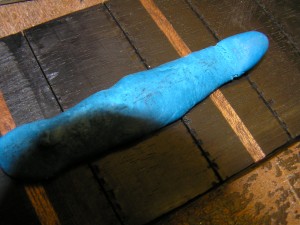 If you look carefully you can see the lines of black dust that the tack has removed.
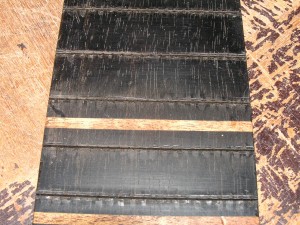 The upper piece of mahogany in the picture above was after just two applications and the lower piece of mahogany is still filled with dust.
This method may or may not work on other woods I have only tested it on mahogany myself. I tried using ordinary ‘blu-tack’ and it didn’t seem to work, it doesn’t appear to be as sticky as the other one.
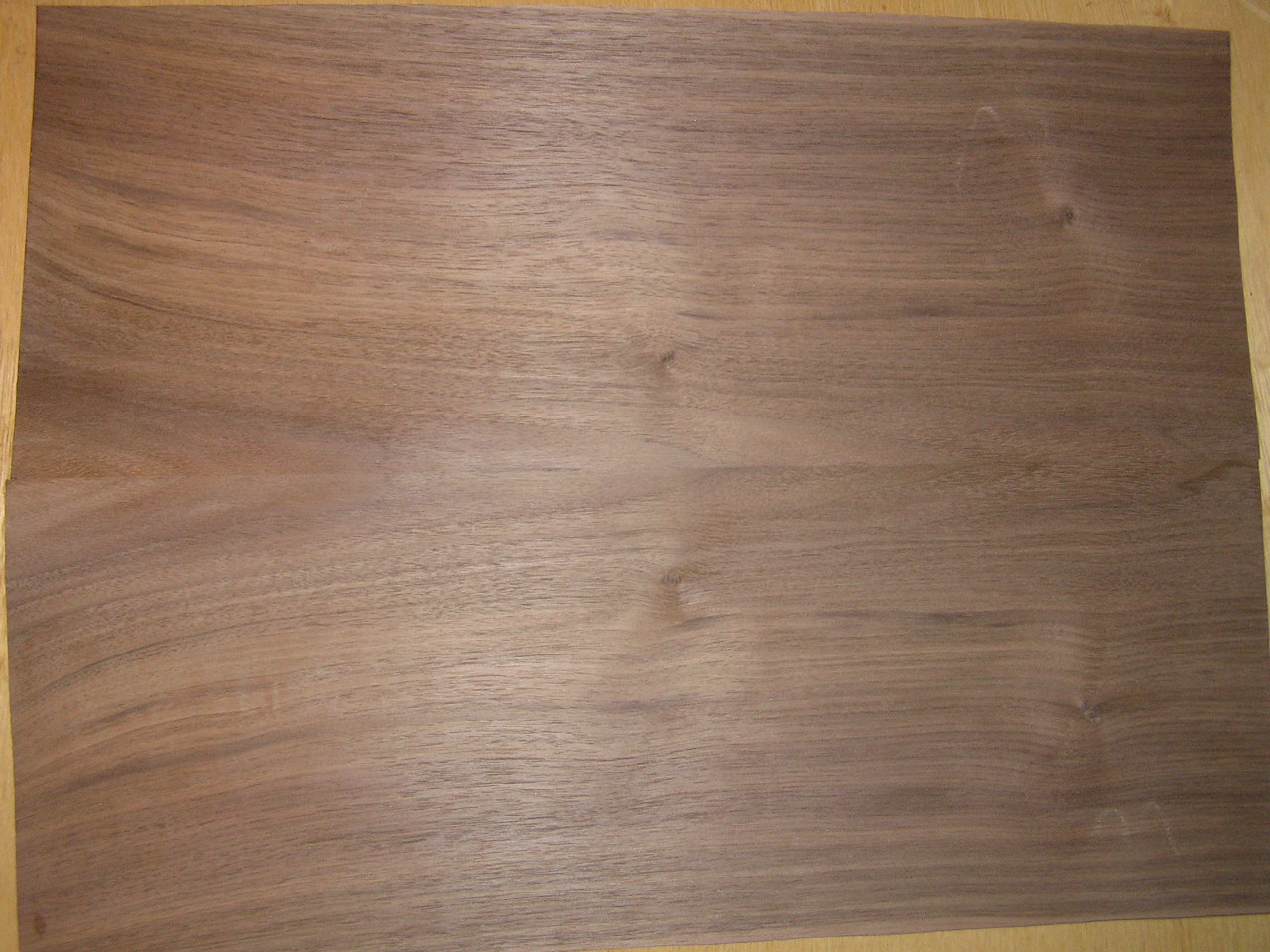 The picture looks a bit blurred but it is just rough sanded with a 40 grit. The book matched plates produce a really nice centre seam, should look really good when it is finished. That is all for now, yet another day has passed on planet Earth.